QuestionWhich 16 consequential f1r segmentation cases should be accepted, rejected or kept separate?
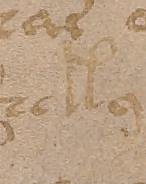
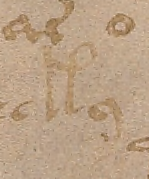
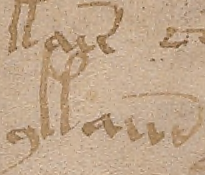
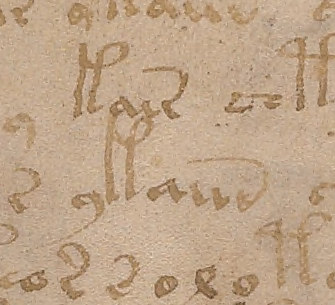
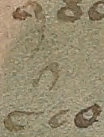
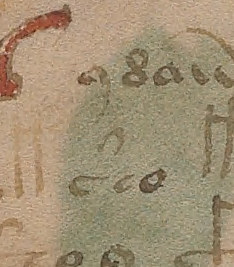
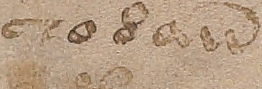
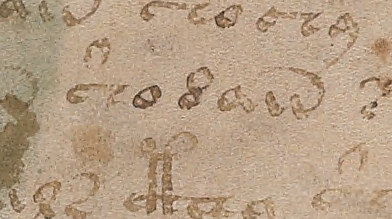
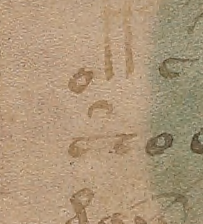
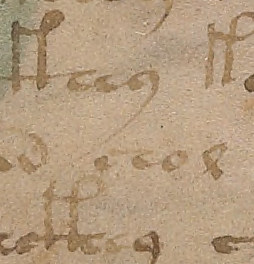
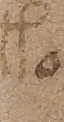
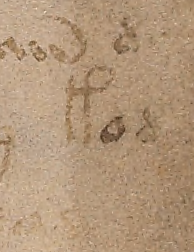
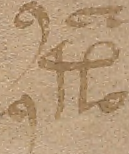
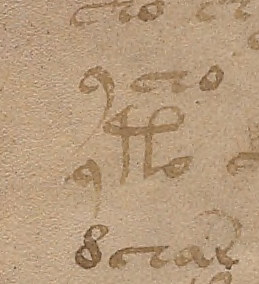
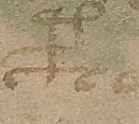
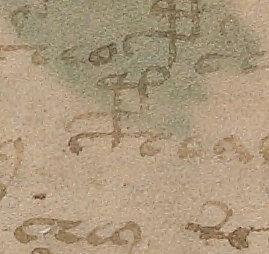
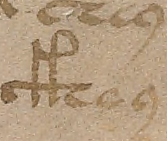
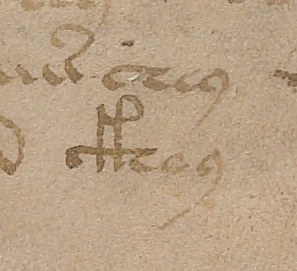
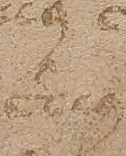
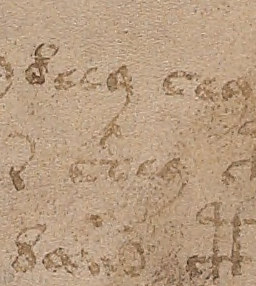
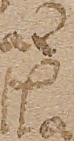
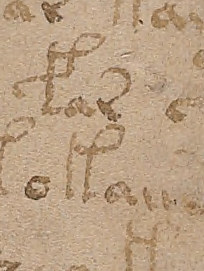
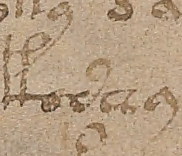
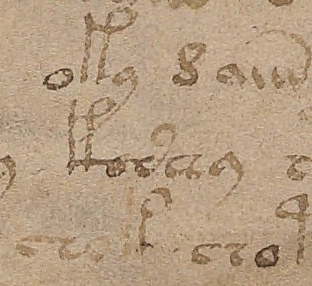
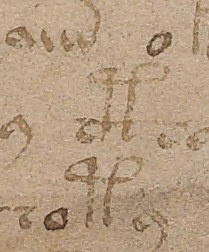
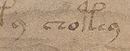
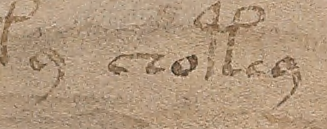
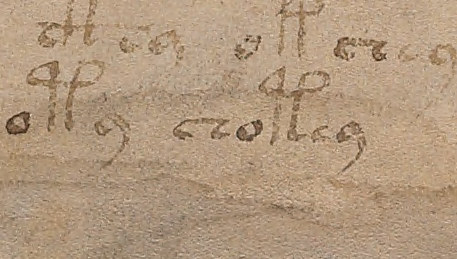
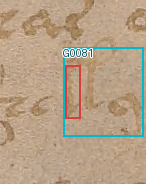
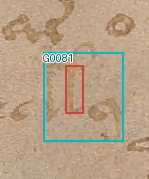
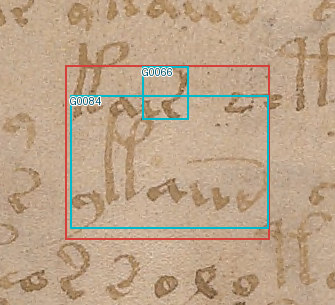
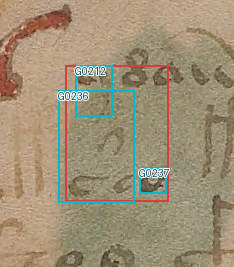
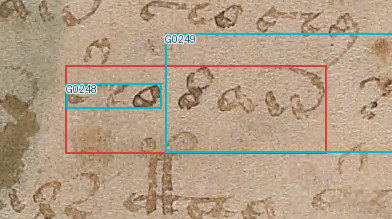
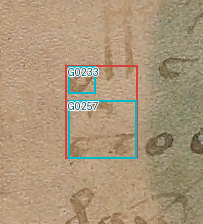
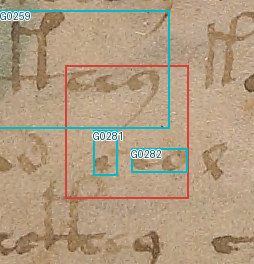
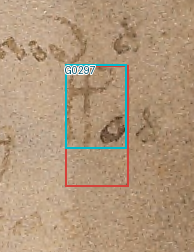
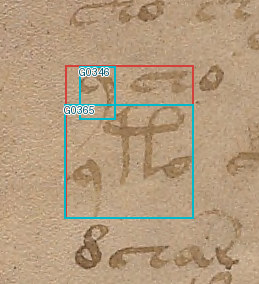
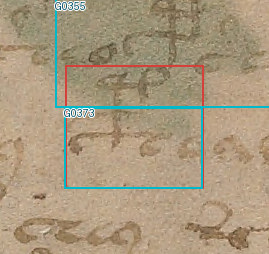
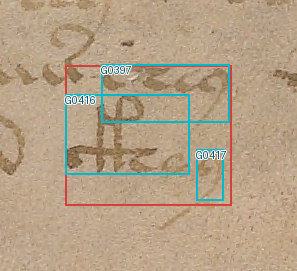
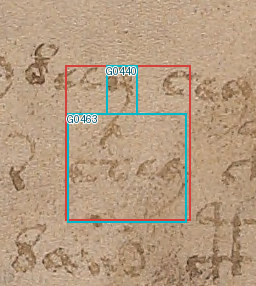
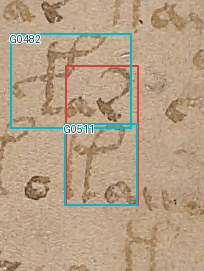
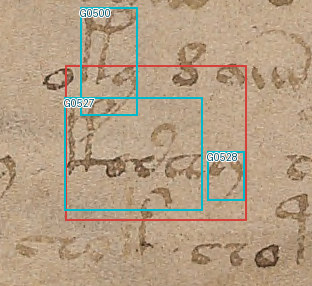
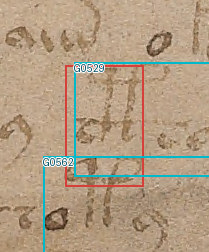
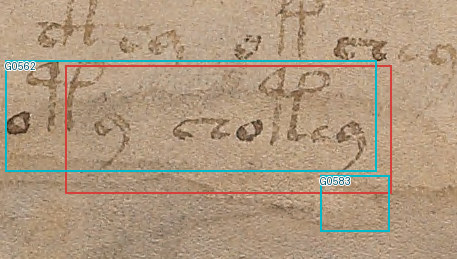
Method12 G decisions: old f1r_v003 boundaries rejected as unreliable/contaminated/truncated. No new boundary is accepted: O00049, O00173, O00182, O00189, O00233, O00305, O00313, O00352, O00392, O00433, O00445, O00473.2 C decisions: f1r_v003 O00215 and O00446 have their old single whole-form proposals rejected in favor of spatial separation. Each is represented by two separate line-associated spatial candidates, for four regions total. This is not a count of linguistic glyphs. Existing native component support within the registered old fields supplies provisional spatial envelopes and masks. Specific line IDs, exact extents and pixel ownership remain unapproved; all residual/shared threshold material and the full old fields are retained.2 D decisions, one candidate: f1r_v003 O00044 and O00045 are retained separately as FC0001 and FC0002 and jointly represented by JC0001 / provisional C0001. O00046 is explicitly excluded. The joint viewing rectangle is the union of the two registered fragment fields, not an accepted complete-form outline. Its wider context shows the upper structure without automatically assigning it or neighboring marks to the candidate.The 601 independent native v004 proposals, their distinct visual IDs, 27 lines, 189 clusters, component masks, 304 unselected partitions, spacing, R1–R4 and existing uncertainty flags are inherited unchanged. The v005 observation wrappers identify their v004 provenance; this does not approve them.No recurring forms were merged; no linguistic identity, sound, meaning, glyph count or new automatic boundary was accepted. Parameters and thresholds were unchanged.
Important numbers16 human-reviewed case
Finding and conclusion12 G decisions: old f1r_v003 boundaries rejected as unreliable/contaminated/truncated. No new boundary is accepted: O00049, O00173, O00182, O00189, O00233, O00305, O00313, O00352, O00392, O00433, O00445, O00473.2 C decisions: f1r_v003 O00215 and O00446 have their old single whole-form proposals rejected in favor of spatial separation. Each is represented by two separate line-associated spatial candidates, for four regions total. This is not a count of linguistic glyphs. Existing native component support within the registered old fields supplies provisional spatial envelopes and masks. Specific line IDs, exact extents and pixel ownership remain unapproved; all residual/shared threshold material and the full old fields are retained.2 D decisions, one candidate: f1r_v003 O00044 and O00045 are retained separately as FC0001 and FC0002 and jointly represented by JC0001 / provisional C0001. O00046 is explicitly excluded. The joint viewing rectangle is the union of the two registered fragment fields, not an accepted complete-form outline. Its wider context shows the upper structure without automatically assigning it or neighboring marks to the candidate.The 601 independent native v004 proposals, their distinct visual IDs, 27 lines, 189 clusters, component masks, 304 unselected partitions, spacing, R1–R4 and existing uncertainty flags are inherited unchanged. The v005 observation wrappers identify their v004 provenance; this does not approve them.No recurring forms were merged; no linguistic identity, sound, meaning, glyph count or new automatic boundary was accepted. Parameters and thresholds were unchanged.
Limits- Replacement extents for all 12 rejected G boundaries. - Exact boundaries, stroke ownership and glyph count inside both spatial regions of each C case. Component-based candidate masks implement the approved separation principle but have not been traced or accepted by the reviewers. -…
MeaningReplacement extents for all 12 rejected G boundaries.Exact boundaries, stroke ownership and glyph count inside both spatial regions of each C case. Component-based candidate masks implement the approved separation principle but have not been traced or accepted by the reviewers.Complete form extent, loop/crossbar membership and identity of the O00044/O00045 joint candidate. O00046 stays separate and retains its prior F assessment.All other 472 comparison cases have no new human decision: 20 A, 171 B and 281 F assistant assessments remain at their previous status. The two D approvals do not upgrade O00046.All 601 native visual classes remain unassessed. Existing flags remain: 232 low-confidence segmentations, 73 threshold-sensitive observations, 276 possible compounds, 384 neighbor-dependent segmentations, 185 uncertain line assignments and 300 repeated-stroke candidates. These overlapping counts are not mutually exclusive.All 304 automatic partition hypotheses remain unselected. Minim counts, gallows structure, variant relationships, shared/connected strokes and semantic component decomposition remain unresolved unless covered by the narrow spatial decisions above.R1–R4 layout remains unchanged, including R4's unresolved automatic line attachment and the unresolved R2 tall-form ownership case.Whether f1r is sufficiently calibrated to authorize further extraction is a separate, ungranted approval.